Fatigue, brain fog, respiratory illness, memory loss, and chronic inflammation are just a few of the ways toxic mold rewires the body.
Now, an emerging treatment is giving many patients new hope: Hyperbaric Oxygen Therapy (HBOT).
Research from peer-reviewed journals, clinical case studies, and frontline practitioners is building a case that HBOT can reduce mycotoxin-driven inflammation, repair neurological damage, inhibit fungal growth, and restore immune function.
Let me please disclose that this is something I have a lot of personal experience with.
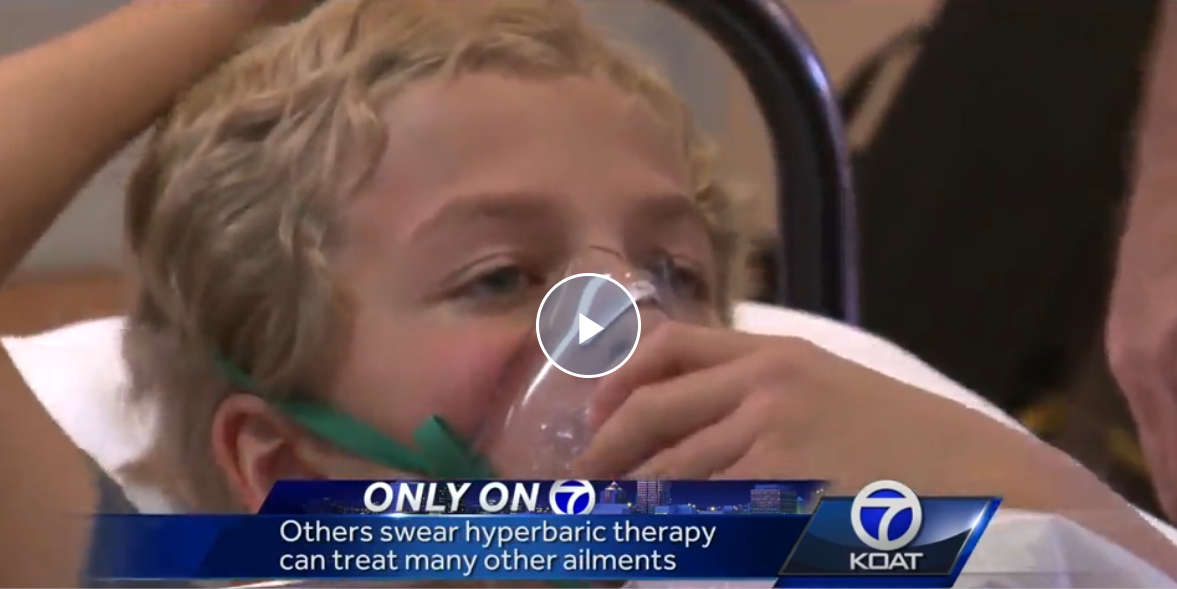
In 2016, my son Micah and I were featured on Channel 7 news KOAT in Albuquerque, New Mexico for our use of hyperbaric oxygen therapy to treat his toxic mold illness.
From ABC News, “Last year, 10-year-old Micah Bedard got so weak, he ended up in a wheelchair. His father, Maurice, was heartbroken.
“I wasn’t getting any answers, so I felt this urgency and anxiety on how to help my son,” he said.
The Bedards had mold in their California house. They moved to Albuquerque and decided to try hyperbarics at Pro Oxygen, a wellness center in Albuquerque. Micah was walking again after one session. Toxic mold exposure isn’t a FDA approved hyberbarics therapy, so the Bedards pay around $150 a session.
Link Summers owns Pro Oxygen and he’s seen all types of people struggling report relief after sitting in a hyperbaric chamber. By law, Summers can’t make any healing claims outside of federally approved conditions. He wants that FDA’s list to get longer, but says it’ll take expensive research before the government feels comfortable adding ailments. Summers says it’s hard to find the money to get this done.
“The effects of oxygen are well known, it’s just a matter of proving it,” he said.
Meanwhile, families like the Bedards will continue paying out-of-pocket for what they call a miracle.
“I was a believer before we tried it,” said Bedard. “Now, I’m a knower.”
Micah ended up receiving 76 total sessions in the hyperbaric oxygen chamber, which I contribute to helping save his life.
While HBOT was not the sole reason for his recovery, it played a major role, contributing to approximately 30-40% of his overall healing journey. This journey also encompassed a wholesome organic whole food diet, essential vitamins, minerals, antifungals, and herbal supplements.
It was awesome to have the opportunity to help spread awareness in the media to other people out there who are looking for alternative and natural treatments to help them heal.
In this article, I explore how HBOT works, what the science says, and what patients should know before pursuing this treatment.
The Landmark 2011 UCLA Study
The foundational clinical study on HBOT and mold toxicity was published in European Journal of Clinical Microbiology & Infectious Diseases (2011) by Ezra, Dang, and Heuser from the David Geffen School of Medicine at UCLA.
Researchers identified 15 patients between the ages of 18 and 58 who had developed clinical attention deficit disorder (ADD) following documented mold and mycotoxin exposure. Deficits in attention span and reaction time were confirmed using the Test of Variables of Attention (TOVA), an objective clinical measurement tool.
After just 10 sessions of hyperbaric oxygen treatment, all 15 patients showed statistically significant improvements in both attention span and reaction time.
Protocol: Mild HBOT (mHBOT) at 1.3 ATA with 24–34% oxygen concentration for 10 consecutive daily sessions, each lasting one hour.
Results: After just 10 sessions, all 15 participants showed statistically significant improvements in:
-
Attention span (p < 0.05, t(14) = 3.55)
-
Reaction time (p < 0.05, t(14) = 4.41)
-
Consistency of response (p < 0.05, t(14) = 4.82)
-
Overall D prime score (p < 0.05, t(14) = 3.58)
The researchers noted that “low-pressure HBOT is a therapy with an extremely low risk profile and relatively low cost, with potential benefits that seem to be significant and measurable for a condition with few other treatments at our disposal.”
The study’s authors concluded: “This preliminary study suggests promising outcomes in treating mold-exposed patients with hyperbaric oxygen.”
This is significant because it demonstrated measurable, objective cognitive improvement — not just self-reported symptom relief. It also highlighted the neurological dimension of mold toxicity: exposure was severe enough to produce clinically diagnosable ADD in otherwise healthy adults.
In 2014, Assistant Professor of Microbiology and Immunology at Dartmouth’s Geisel School of Medicine Dr. Robert Cramer, Ph.D. discovered that high oxygen levels stopped mycotoxin growth at the cellular level.
His research found that high-oxygen environments stimulate the immune system to fight off mycotoxins while simultaneously reducing inflammation and promoting tissue repair. This provided a critical mechanistic foundation for why HBOT works against mycotoxin illness — not just as an anti-inflammatory tool, but as a direct disruptor of the fungal biology driving the disease.
A separate line of research explores HBOT’s direct antifungal properties. Studies have shown that Aspergillus fumigatus — a particularly dangerous mold that kills many immunocompromised patients — thrives in low-oxygen environments.
When fungal colonies of A. fumigatus were treated with HBOT at 3.5 ATA, researchers recorded a 50% reduction in fungal colony growth within just two days. The mechanism is straightforward: mold has adapted to low-oxygen conditions inside the body, and saturating those tissues with oxygen disrupts its ability to survive and reproduce.
This finding carries practical implications for patients suffering from invasive fungal infections who do not respond adequately to antifungal medications. A 2007 study published in the Israel Medical Association Journal reviewed 14 immunocompromised patients treated with HBOT as part of a multimodal approach for invasive Aspergillus and Mucorales infections — 7 of the 14 patients survived what are typically fatal infections, with no complications attributed to the HBOT itself.
How HBOT Fights Mold Toxicity: The Biological Mechanisms
The effectiveness of HBOT in mold toxicity is not the result of a single action. It works through multiple overlapping mechanisms that address the core pathological processes that mycotoxins set in motion.
1. Direct Suppression of Fungal Growth
One of the most compelling pieces of evidence comes from a landmark 2018 study by Dhingra, Buckey, and Cramer at Dartmouth’s Geisel School of Medicine, published in Antimicrobial Agents and Chemotherapy. The research found that hyperbaric oxygen reduced established fungal biofilm proliferation in Aspergillus fumigatus in vitro by over 50%. The effect was observed at 3.5 ATA, with approximately 35% growth inhibition at 2.5 ATA, demonstrating a dose-dependent response.
The researchers also confirmed that pressure alone (hyperbaric air without extra oxygen) produced no significant growth inhibition, and normobaric 100% oxygen produced only minimal inhibition (~10%). It was specifically the combination of elevated pressure and high oxygen concentration that produced the dramatic antifungal effect. This finding suggests that HBOT creates an oxygen-rich environment that is fundamentally inhospitable to fungal growth.
Earlier research had also demonstrated HBOT’s efficacy in invasive aspergillosis. A 2002 retrospective study of 10 patients with invasive aspergillosis — a frequently fatal condition in immunocompromised patients — found that when HBOT was added to standard antifungal therapy, 6 of the 10 patients were infection-free within three months of first treatment.
2. Reversal of Tissue Hypoxia
Mycotoxins disrupt mitochondrial function, creating areas of cellular energy failure and oxygen deprivation throughout the body. A research review published in Frontiers in Physiology explains that HBOT increases the proportion of dissolved oxygen in blood, generating hyperoxia that “can reverse tissue hypoxia, activating the electron transport chain to generate energy”.
The high-oxygen plasma produced during HBOT can seep into tissues where capillaries are damaged or constricted — exactly the capillary hypoperfusion pattern documented in CIRS patients. This revitalizes mitochondria, restores ATP production, and breaks the cycle of chronic cellular energy failure that drives fatigue and brain fog.
3. Reduction of Neuroinflammation
Published research in Inflammation documented that HBOT inhibits the NF-κB/MAPKs signaling pathway — a central driver of neuroinflammation — while also suppressing the CCL2/CXCL1 inflammatory chemokine cascade in astrocytes. This directly addresses the neuroinflammatory damage that mycotoxins cause in brain tissue.
A study published in Frontiers in Neurology in 2025 found that HBOT significantly reduces neutrophil-to-lymphocyte ratio (NLR) and platelet-to-lymphocyte ratio (PLR) while increasing lymphocyte count — systemic markers of reduced inflammation.
4. Activation of the Nrf2 Antioxidant Pathway
HBOT activates the Nrf2 genetic pathway, which serves as the body’s master regulator of endogenous antioxidant production, including Superoxide Dismutase (SOD) and Glutathione. Because oxidative stress is identified as a primary mechanism of mycotoxin toxicity, this adaptive antioxidant response provides internal protection against the very damage that mold toxins specialize in creating.
A foundational paper published in JASN (Journal of Applied Physiology) confirmed that “therapeutic mechanisms of action for hyperbaric oxygen are based on elevation of both the partial pressure of oxygen and hydrostatic pressure,” and that HBOT-induced oxidative stress paradoxically triggers a protective cellular response, upregulating antioxidant defenses.
5. Stimulation of Angiogenesis and Tissue Repair
HBOT stimulates the growth of new blood vessels (angiogenesis) by triggering Hypoxia Inducible Factor (HIF-1α) signaling pathways. This promotes restoration of capillary beds damaged by elevated C4a and MMP-9 levels seen in CIRS patients. The therapy also increases Vascular Endothelial Growth Factor (VEGF), which plays a critical role in repairing the vascular dysfunction that underlies tissue hypoxia in mold illness.
6. Immune System Enhancement
HBOT elevates tissue oxygenation, increases white blood cell activity, and enhances the body’s ability to identify and neutralize infections. Research has also demonstrated that HBOT decreases monocyte-macrophage production of pro-inflammatory cytokines, providing a systemic anti-inflammatory effect. A study published in Aging found that HBOT significantly increased telomere length and cleared senescent cells — suggesting it may help reverse some of the cellular aging and immune dysfunction that mold illness accelerates.
Mold Toxicity and the Brain: A Closer Look
One of the most underappreciated dimensions of mold illness is its neurological impact. Many patients are misdiagnosed with depression, anxiety, chronic fatigue syndrome, or fibromyalgia when the underlying cause is mycotoxin-driven neuroinflammation.
A 2025 review published in LIDSEN Neurobiology found that mycotoxins impair mitochondrial function through oxidative stress, generating reactive oxygen species (ROS) that cause neurotoxicity throughout the central nervous system. The review also found that mycotoxin-activated glial cells and pro-inflammatory cytokines like TNF-alpha and various interleukins lead to brain harm and behavioral changes.
This is where HBOT’s neuroprotective effects become especially important. By supersaturating brain tissue with oxygen, HBOT can:
-
Reduce microglial activation and neuroinflammation
-
Support repair of myelin sheaths and neural tissue
-
Increase cerebral blood flow to hypoperfused regions
-
Accelerate clearance of inflammatory mediators
-
Restore neurotransmitter balance disrupted by mycotoxin exposure
For patients experiencing “toxic mold brain” — the constellation of brain fog, memory loss, word retrieval problems, and mood dysregulation — these neurological effects can be life-changing.
The 2025 CIRS Case Study: Biomarker Normalization
A 2025 case study published in Frontiers in Immunology documented the results of low-pressure HBOT in a 60-year-old female with confirmed CIRS from mold exposure in a water-damaged building. Her symptoms included severe fatigue, cognitive dysfunction, joint pain, and chronic headaches. NeuroQuant brain imaging revealed bilateral volume loss of the globus pallidum, consistent with CIRS-related neurological damage.
The patient had failed standard CIRS treatments — binders and antifungal medications caused adverse reactions with no symptom relief.
Protocol: 40 sessions of mild HBOT at 1.3 ATA, 24% oxygen, 90-minute sessions over 10 weeks.
Results were remarkable:
-
All 22 reported symptoms resolved completely
-
Visual Contrast Sensitivity (VCS) score normalized from 68% to 93%
-
MMP-9 dropped from 920 to 354 ng/mL (normalized)
-
C3a dropped from 611 to 174.5 ng/mL (normalized)
-
C4a dropped from 1,948.7 to 611 ng/mL (normalized)
-
VEGF increased from 20.6 to 40.0 pg/mL (restored to normal range)
-
MSH increased from 2.4 to 13.0 pg/mL (improved toward normal)
The patient described her experience: “By session 20 I noticed my brain fog lifting… by session 40 all 22 symptoms had resolved. I felt like myself again — energized, clear-headed, and hopeful in a way I hadn’t in years.”
The reduction in TGF-β1 and MMP-9 reflected systemic modulation of inflammatory pathways. The simultaneous rise in VEGF (enhanced angiogenesis) and MSH (neuroregenerative activity) demonstrated HBOT’s capacity to address both vascular and neurological components of CIRS.
The study’s author noted: “This case illustrates HBOT’s ability to modulate systemic inflammation, improve neurocognitive outcomes, and enhance recovery in patients with complex environmental illnesses.”
The HBOT Treatment Process: What to Expect
If you or a patient is considering HBOT for mold toxicity, here is a practical overview of what treatment involves:
Types of HBOT chambers:
-
Hard-shell chambers (monoplace or multiplace) — Used in clinical settings at pressures of 2.0–3.0 ATA; recommended for severe cases
-
Mild HBOT (mHBOT) — Soft-shell chambers at 1.3–1.5 ATA; increasingly used for CIRS and mold illness; well-tolerated with a favorable safety profile
Typical session structure:
-
Sessions last 60–90 minutes
-
Patients breathe pure oxygen while resting inside the chamber
-
Some providers combine HBOT with IV nutritional therapy, binders, and anti-inflammatory supplements
Common protocols for mold toxicity:
-
10 sessions: Used in the landmark 2011 study; showed significant cognitive improvements
-
40 sessions over 10 weeks: Used in the 2025 CIRS case study with complete symptom resolution
-
Some integrative practitioners prescribe 20–60 sessions depending on severity
Safety profile: In a review of 624 HBOT sessions, researchers concluded that HBOT is safe and tolerable with few minor side effects and no major adverse events. The most common side effects include temporary ear pressure and mild fatigue after early sessions.
HBOT Within a Broader Mold Recovery Plan
HBOT works best as part of a comprehensive mold illness protocol, not as a standalone cure. The first and most critical step is removing the source of exposure — no treatment will work if a patient continues to live or work in a mold-contaminated building.
A complete mold recovery plan typically includes:
-
Environmental remediation — Professional mold removal from the affected building; consider air quality testing post-remediation
-
Mycotoxin testing — Urine mycotoxin panels to identify specific toxins burdening the patient (ochratoxin A, aflatoxins, macrocyclic trichothecenes)
-
Binder therapy — Cholestyramine, activated charcoal, or bentonite clay to help bind and excrete mycotoxins from the gut
-
Nutritional support — Glutathione, N-acetylcysteine (NAC), quercetin, and B vitamins to support detoxification pathways
-
HBOT sessions — To reduce inflammation, repair neurological damage, and directly inhibit fungal activity
-
Dietary changes — A low-mold, anti-inflammatory diet to reduce the body’s total toxic burden
-
VCS testing — Visual Contrast Sensitivity testing to track neurological recovery objectively over time
It is important to note that HBOT is currently an off-label treatment for mold toxicity — meaning the FDA has not specifically approved it for this indication. It is FDA-approved for 14 medical conditions including wound healing and decompression sickness.
Patients should work with an integrative or functional medicine physician experienced in mold illness to determine whether HBOT is appropriate for their case.
Conclusion
Hyperbaric Oxygen Therapy (HBOT) offers a science-based way to help the body recover from mold toxin damage. By delivering high levels of oxygen to tissues, HBOT can improve mitochondrial function, reduce inflammation, strengthen the immune system, support blood vessel repair, and help slow fungal growth.
These effects target many of the same biological pathways harmed by mycotoxins, including tissue oxygen loss, neuroinflammation, and immune dysfunction.
Early research is encouraging. A study from UCLA reported cognitive improvements after 10 sessions. A 2025 case study described full symptom resolution in a severe CIRS patient after 40 sessions. Laboratory work from Dartmouth researchers has also shown that HBOT can reduce fungal biofilm growth.
Mold often grows out of sight—inside walls, under flooring, and in other hidden spaces. Because mold-related illness can affect many systems in the body, treatment approaches may also need to be multi-layered.
Used as part of a broader recovery plan, HBOT is becoming a promising tool for some patients.
It is important to note that HBOT is currently an off-label treatment for mold toxicity.
The U.S. Food and Drug Administration has approved it for several conditions, including wound healing and decompression sickness, but not specifically for mold illness.
Patients should work with a qualified physician experienced in mold-related illness to determine whether it is appropriate for their situation.
For people who have struggled with long-term illness linked to water-damaged buildings, HBOT may offer another path toward recovery as research in this area continues to grow.
References
-
Ezra N, Dang K, Heuser G. Improvement of attention span and reaction time with hyperbaric oxygen treatment in patients with toxic injury due to mold exposure. Eur J Clin Microbiol Infect Dis. 2011;30(1):1–6. https://pmc.ncbi.nlm.nih.gov/articles/PMC2998645/
-
Giesler KLC. Case Report: Low pressure hyperbaric oxygen therapy as a potential alternative treatment for chronic inflammatory response syndrome. Front Immunol. 2025;16:1564788. https://pmc.ncbi.nlm.nih.gov/articles/PMC12361165/
-
Dhingra S, Buckey JC, Cramer RA. Hyperbaric Oxygen Reduces Aspergillus fumigatus Proliferation In Vitro and Influences In Vivo Disease Outcomes. Antimicrob Agents Chemother. 2018;62(3):e01953-17. https://pubmed.ncbi.nlm.nih.gov/29229641/
-
Dooley M, Vukelic A, Jim L. Chronic inflammatory response syndrome: a review of the evidence of clinical efficacy of treatment. Ann Med Surg. 2024;86(12):7248–7254. https://pubmed.ncbi.nlm.nih.gov/39649915/
-
Ehsanifar M. Mold and Mycotoxin Exposure and Brain Disorders. J Integr Neurosci. 2023;22(6). https://www.imrpress.com/journal/JIN/22/6/10.31083/j.jin2206137
-
Hadanny A, et al. Hyperbaric oxygen therapy increases telomere length and decreases immunosenescence in isolated blood cells. Aging. 2020;12(22):22445–22456. https://www.aging-us.com/article/202188/text
-
U.S. EPA. Can Mold Cause Health Problems? https://www.epa.gov/mold/can-mold-cause-health-problems
-
U.S. EPA. Health Effects and Symptoms Associated with Mold Exposure. https://www.epa.gov/mold/mold-remediation-schools-and-commercial-buildings-guide-appendix-b
-
NIEHS. Mold. https://www.niehs.nih.gov/health/topics/agents/mold
-
CDC. Mold, Testing, and Remediation. https://www.cdc.gov/niosh/mold/testing-remediation/index.html
-
Mayo Clinic. Hyperbaric Oxygen Therapy. https://www.mayoclinic.org/tests-procedures/hyperbaric-oxygen-therapy/about/pac-20394380
-
Frontiers in Physiology. Hyperoxia: Effective Mechanism of Hyperbaric Treatment at Mild Pressure. 2024. https://pmc.ncbi.nlm.nih.gov/articles/PMC10815786/
-
Harding CF, et al. Mold inhalation causes innate immune activation, neural, cognitive and emotional dysfunction. Brain Behav Immun. 2020;87:218–228. https://pmc.ncbi.nlm.nih.gov/articles/PMC7231651/
-
Plusvet. Oxidative stress: A key mechanism of action behind mycotoxin toxicity. 2022. https://plusvet.eu/2022/02/16/oxidative-stress-a-key-mechanism-of-action-behind-mycotoxin-toxicity/
-
Shoemaker Protocol for CIRS — 12 Steps. https://www.survivingmold.com/docs/12_STEP_SHOEMAKER_PROTOCOL_FOR_CIRS.PDF
-
StatPearls. Hyperbaric Oxygen Therapy Contraindications. 2025. https://www.ncbi.nlm.nih.gov/books/NBK557661/

0 Comments